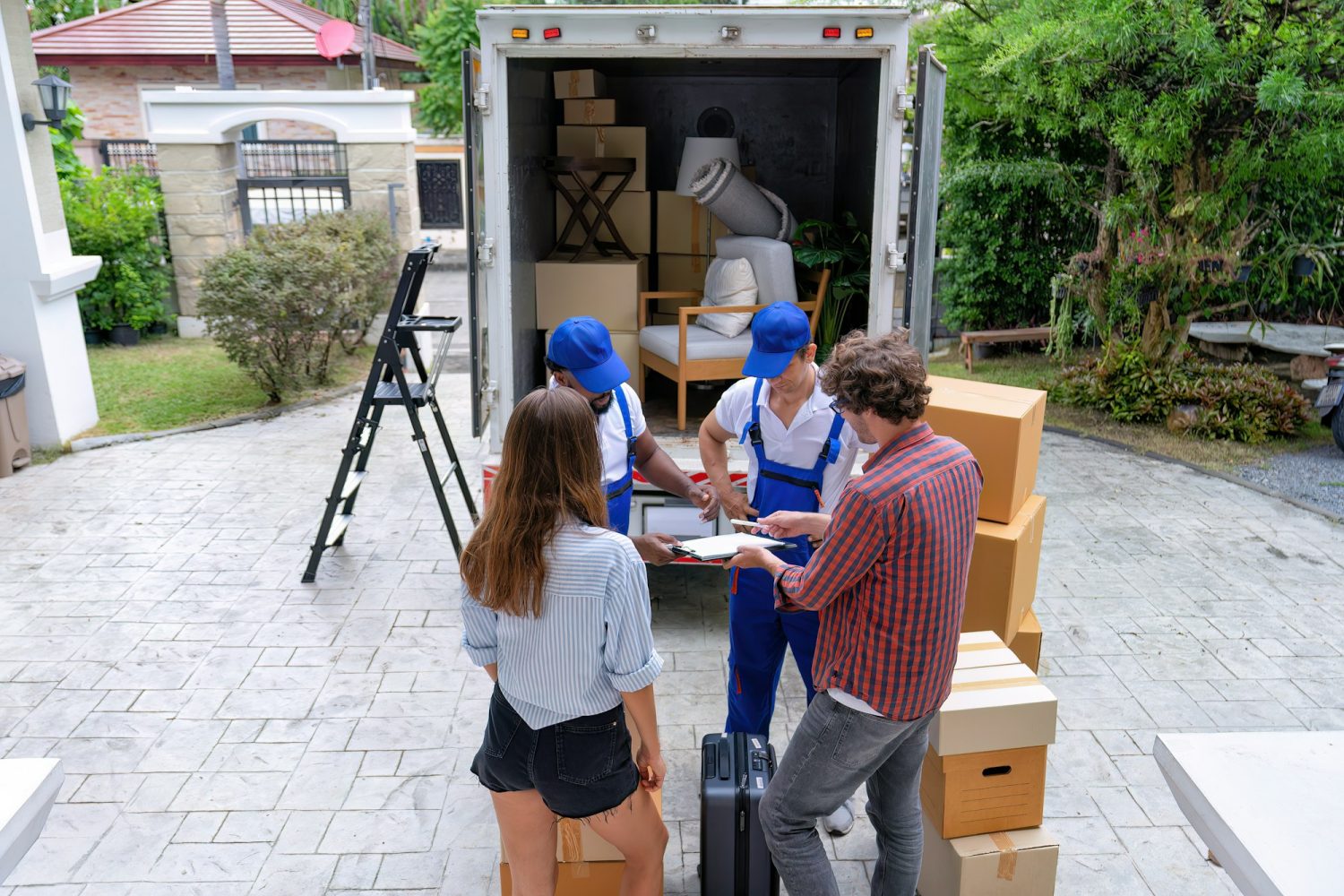
What Is a Company Office Equipment Relocation?
A commercial move for office equipment refers to the organized relocation of business assets from one workplace to another. This includes everything that keeps an office running day to day, desks, workstations, servers, printers, filing systems, meeting room setups, even pantry appliances.
Unlike a home move, an office relocation isn’t just about lifting and shifting. There are people working, deadlines to meet, data to protect, and equipment that cannot afford to break or disappear. This is why many companies actively look for safe movers Singapore businesses trust, instead of relying on general movers.
Most businesses underestimate how layered a commercial office move actually is. It looks simple on paper. In reality, it’s more like moving a small ecosystem.
Why Office Equipment Requires a Different Moving Strategy
Business Equipment Is Not Just “Stuff”
Office equipment holds value in ways furniture at home usually doesn’t. A single damaged server can cost more than a truckload of chairs. Confidential documents misplaced during a move can turn into legal issues.
That’s why a commercial move for office equipment needs a strategy that balances speed, safety, and continuity of work.
Downtime Has a Real Price
According to industry data from relocation and facilities management firms, office downtime can cost small to mid-sized businesses anywhere between SGD 2,000 to SGD 10,000 per day, depending on the nature of work.
Every extra hour without systems, phones, or access to files adds up. This is why many companies now plan moves weeks, sometimes months, ahead.
Types of Office Equipment Involved in a Commercial Move
Core Equipment Categories
Most commercial office relocations involve a mix of the following:
- IT equipment (servers, desktops, monitors, routers)
- Office furniture (desks, chairs, cabinets)
- Documents and archives
- Pantry and utility items
- Meeting room systems (screens, video conferencing tools)
Sensitive vs Non-Sensitive Items
Not everything moves the same way.
| Equipment Type | Risk Level | Special Handling Needed |
|---|---|---|
| Servers & IT hardware | High | Anti-static packing, labeling |
| Filing cabinets | Medium | Locking, document indexing |
| Chairs & desks | Low | Disassembly and wrapping |
| Printers & copiers | Medium | Draining ink, padding |
| Meeting room AV | High | Calibration after move |
This separation helps movers plan loading order and unpacking priority.
Panduan Langkah demi Langkah Pemindahan Peralatan Kantor Komersial
1. Pre-Move Audit and Inventory
Before anything moves, a proper inventory must be done. This sounds boring, but it’s usually where problems are avoided.
A good audit answers questions like:
- What equipment is still in use?
- What can be replaced instead of moved?
- What needs priority setup at the new office?
2. Internal Communication and Scheduling
Employees should know:
- When packing starts
- What they are responsible for
- When systems go offline
Poor communication is one of the most common reasons office moves feel messy.
3. Packing and Labeling by Function
Instead of labeling boxes by department only, experienced movers label by function and destination. For example:
- “Finance – Printer – Level 3”
- “IT – Server Rack A – Priority”
This small detail saves hours during unpacking.
4. Transport and Security Control
Commercial equipment transport usually involves:
- GPS-tracked vehicles
- Sealed containers
- Restricted access to sensitive items
This is especially important for industries handling data or regulated documents.
5. Setup and Post-Move Testing
The move doesn’t end when the truck unloads. Systems must be tested, furniture reassembled, and layouts adjusted. Many issues only show up after people sit down and start working again.
Common Mistakes During Commercial Office Equipment Moves
Underestimating Time
Many companies assume an office move can be done over a weekend. Sometimes it can, sometimes it really can’t. IT setups alone often take longer than expected.
Letting Staff Handle Critical Equipment
Employees packing their own desks is fine. Employees unplugging servers usually is not.
Skipping Insurance and Documentation
Commercial moves should always be insured, with clear documentation of what is covered and what is not.
Case Snapshot: Medium-Size Office Relocation in Singapore
A professional services firm with 45 staff relocated from a CBD office to a city-fringe building.
- Total equipment moved: ~320 items
- Downtime: 1 working day
- Pre-move planning: 3 weeks
- Post-move issues reported: 2 minor IT delays
Key takeaway: early planning and professional handling reduced disruption significantly.
How to Choose the Right Partner for a Commercial Move for Office Equipment
Not all movers are built for office relocations. A reliable partner should understand:
- Office workflows
- IT coordination
- Building management rules
- Security and confidentiality
Experience matters more than truck size.
Why Businesses Trust Jean Movers for Commercial Office Equipment Relocation
At Jean Movers, commercial relocations are treated as operational projects, not just transport jobs. Our experience with office environments allows us to plan moves that reduce downtime and avoid common mistakes.
We handle:
- Structured office equipment audits
- Secure packing for IT and sensitive assets
- Coordinated scheduling with building management
- Clear labeling and systematic unpacking
Businesses across Singapore trust jeanmovers.sg because we understand how offices actually work, not just how to move boxes.
If your company is planning a commercial move for office equipment, working with a team that speaks the same language as your operations team makes a real difference.
Pro Tips Before Your Next Office Move
- Start planning earlier than you think you need to
- Separate “replace” items from “move” items
- Assign one internal move coordinator
- Test systems before staff return
- Document everything, even small issues
A commercial office move doesn’t have to feel chaotic. With the right approach and the right partner, it can be a clean transition into a better working space, and a fresh start that actually feels like one.
FAQs (Frequently Asked Questions)
What is included in a commercial move for office equipment?
It usually includes packing, transport, unloading, and basic setup of office furniture and equipment.
How long does an office equipment move usually take?
Small offices may take 1–2 days. Larger setups can take several days.
Can office moves be done after working hours?
Yes, many safe movers Singapore offer night or weekend moves.
Is insurance necessary for office equipment moving?
Yes. Commercial equipment often has high value and should always be insured.
Should employees pack their own desks?
They can pack personal items, but critical equipment should be handled by professionals.